
Why is this important?
The Light-footed Ridgway's Rail, listed as federally and state-endangered in both the United States and Mexico, it is a binational species that relies on coastal wetlands.
Things to know about the endangered Rails!
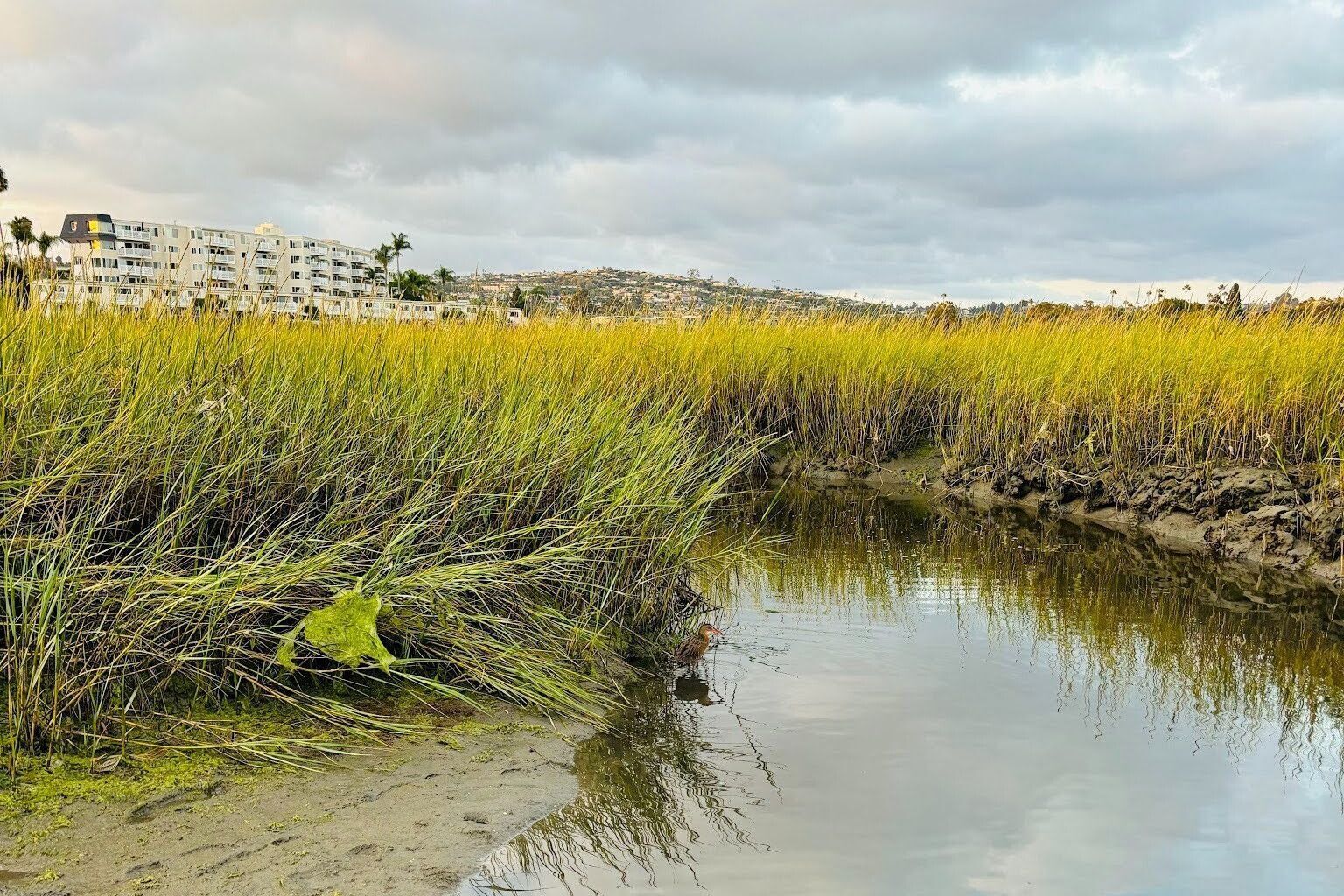
Wetlands are among the most threatened ecosystems on Earth, yet they provide essential services, including coastal protection, water filtration, and habitat for highly specialized wildlife. One of their most elusive inhabitants is the Light-footed Ridgway’s Rail (LFRR), a secretive marsh bird found in coastal wetlands of Southern California and Northern Baja California. These birds rely on dense salt marshes dominated by pickleweed (Salicornia spp.) and cordgrass (Spartina spp.), which provide shelter, nesting sites, and feeding grounds.
The Light-footed Ridgway’s Rail has experienced substantial declines driven by habitat loss, urban development, and environmental change, and it is listed as federally and state-endangered in both the United States and Mexico. Because these birds are rarely seen and remain concealed within dense marsh vegetation, population changes can easily go unnoticed, underscoring the importance of long-term monitoring.
Over the past century, coastal wetlands across the region have been heavily altered and fragmented, contributing to reduced populations. In response, sustained monitoring and habitat management efforts beginning in 1980 have generated an unusually rich multi-decade dataset of breeding activity and abundance, providing a rare opportunity to examine long-term population dynamics.
What conservation work is SDBA doing?
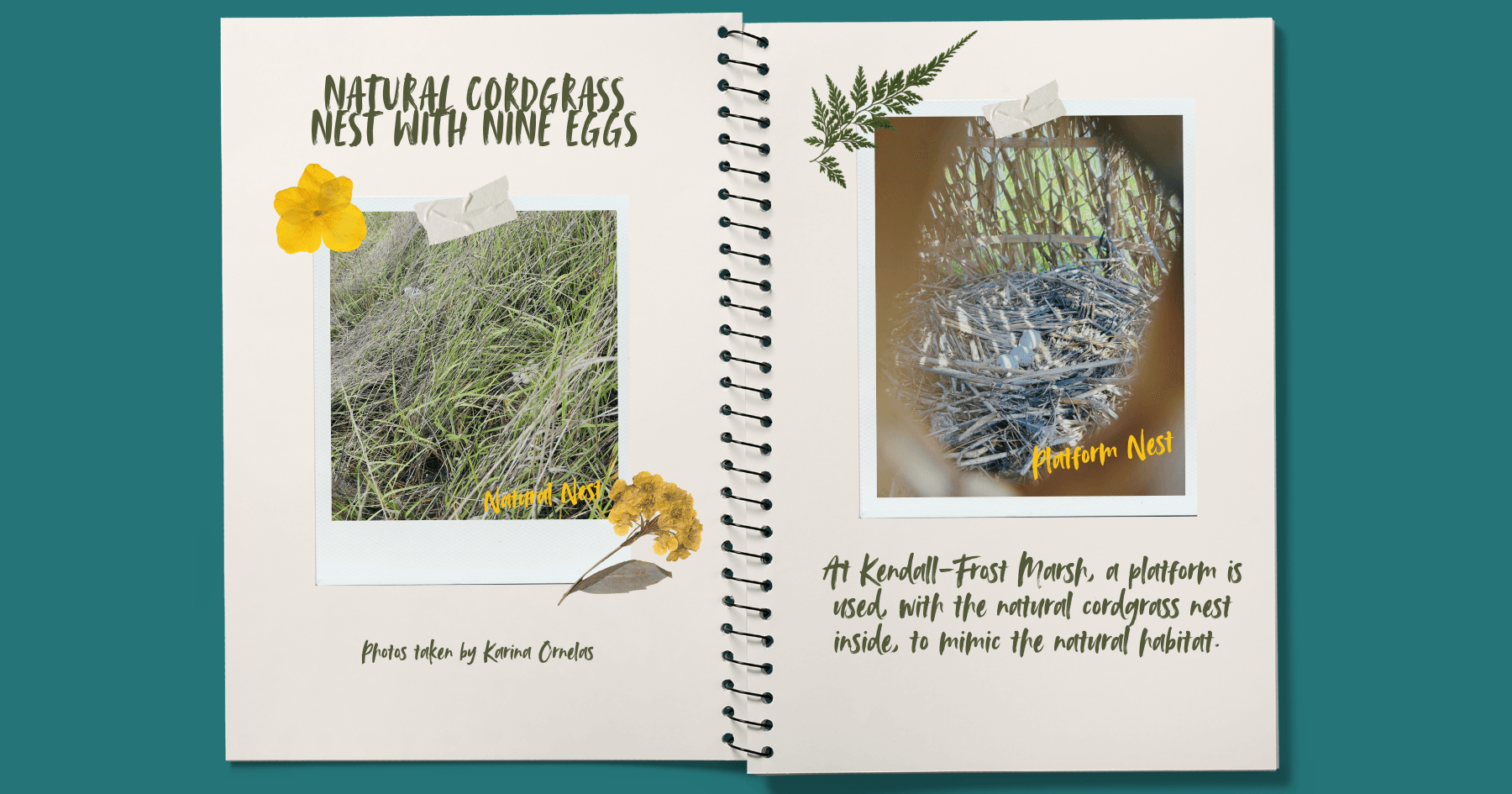
San Diego Bird Alliance is committed to protecting our endangered species, and the rail is one of them. SDBA has been working closely with biologists and conservationists to understand the life of the rails and how to protect them. In May 2023, SDBA launched the Wildlife Project Cameras to monitor the use of the artificial nesting platforms at UC San Diego Kendall-Frost Marsh. With permission from UC San Diego Natural Reserve and the City of San Diego, we were able to add cameras to some of the artificial nesting platforms; not all of them have cameras, and we are unable to share the exact locations for protection of our species). Kendall-Frost Marsh is the last 1% of coastal wetlands remaining in Mission Bay, and this little wetland has supported the rail populations for decades. As of 2026, we have 9 pairs of rails living here in this little remnant of wetland.
In the 80s, the Biologist Richard Zembal designed the artificial platforms, and since then, Zembal, UC San Diego Natural Reserve System, and now SDBA have been helping maintain them by repairing the covers and platforms. These platforms are used by the rails as the cordgrass in Mission Bay is not tall enough to provide support for them. These rafts or platforms have been used for eating and resting, and, most importantly, for nesting.
Since 2023, SDBA has been collecting behavior data and usage of the rafts from the rails, and our preliminary data from 2 cameras has shown that the rails do use these rafts to protect against high tides. There is still a lot of data to process, so stay tuned for updates.
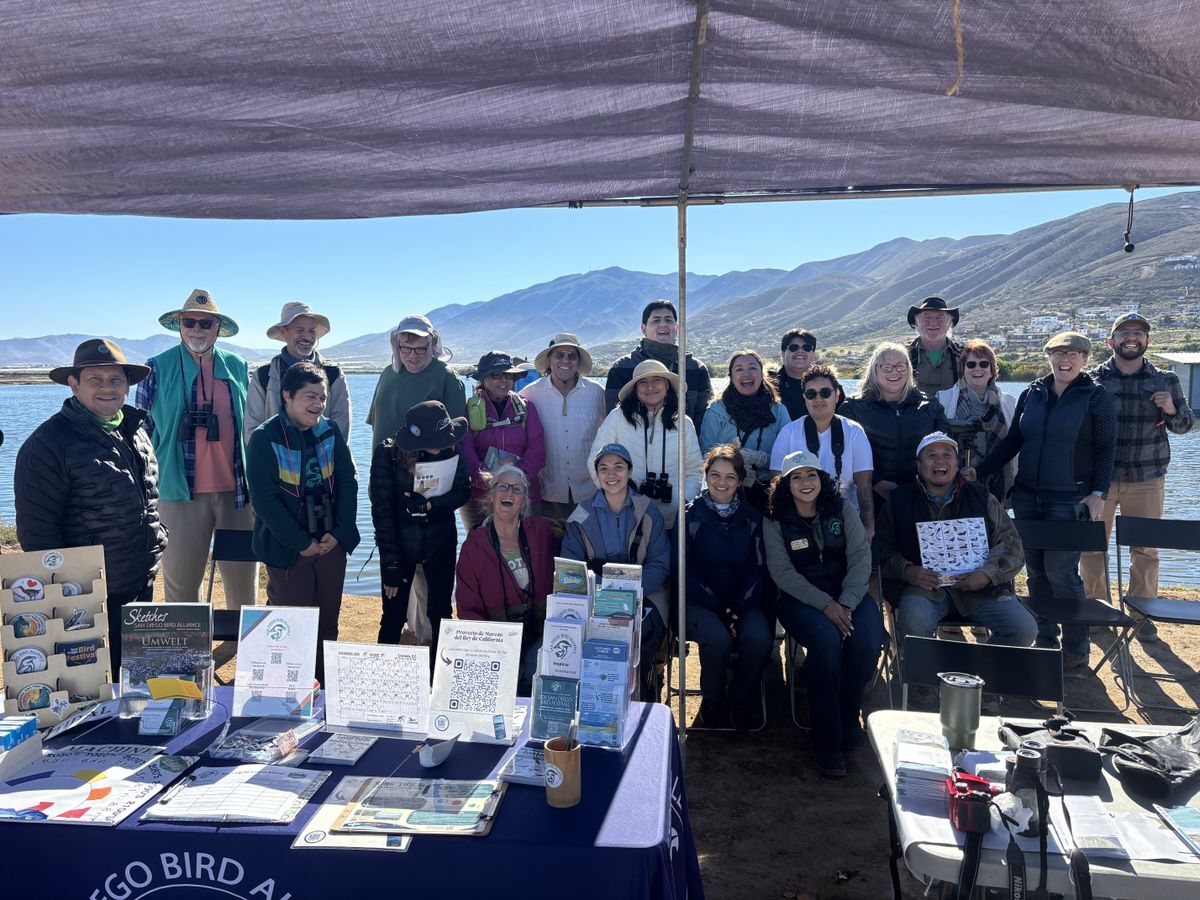
Rail conservation does not end there. During King Tides, we also conduct rail surveys to get an idea of how many rails there are and which areas they are using. This is very important, as it helps us understand the support they need during king tides and the nesting season ahead. Also, as this species is binational, we have created the Annual LFRR Workshop and discussion, which brings together all organizations and independent rail professionals to share how they are working and how we can support each other. We are really working together to conserve rail here in San Diego and Baja California.
In addition to monitoring populations, supporting nesting habitat, and conducting community science programs, San Diego Bird Alliance is helping restore and expand coastal wetland habitat through the ReWild Mission Bay initiative.
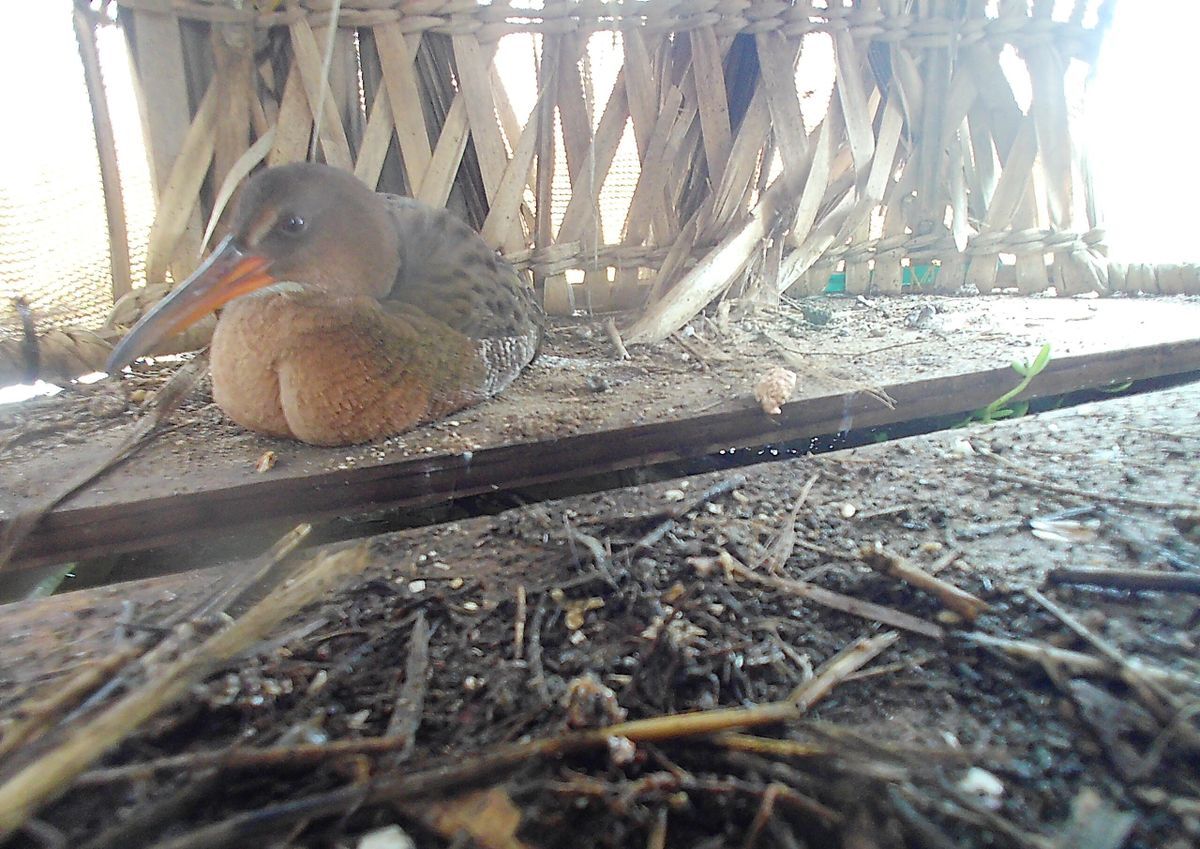
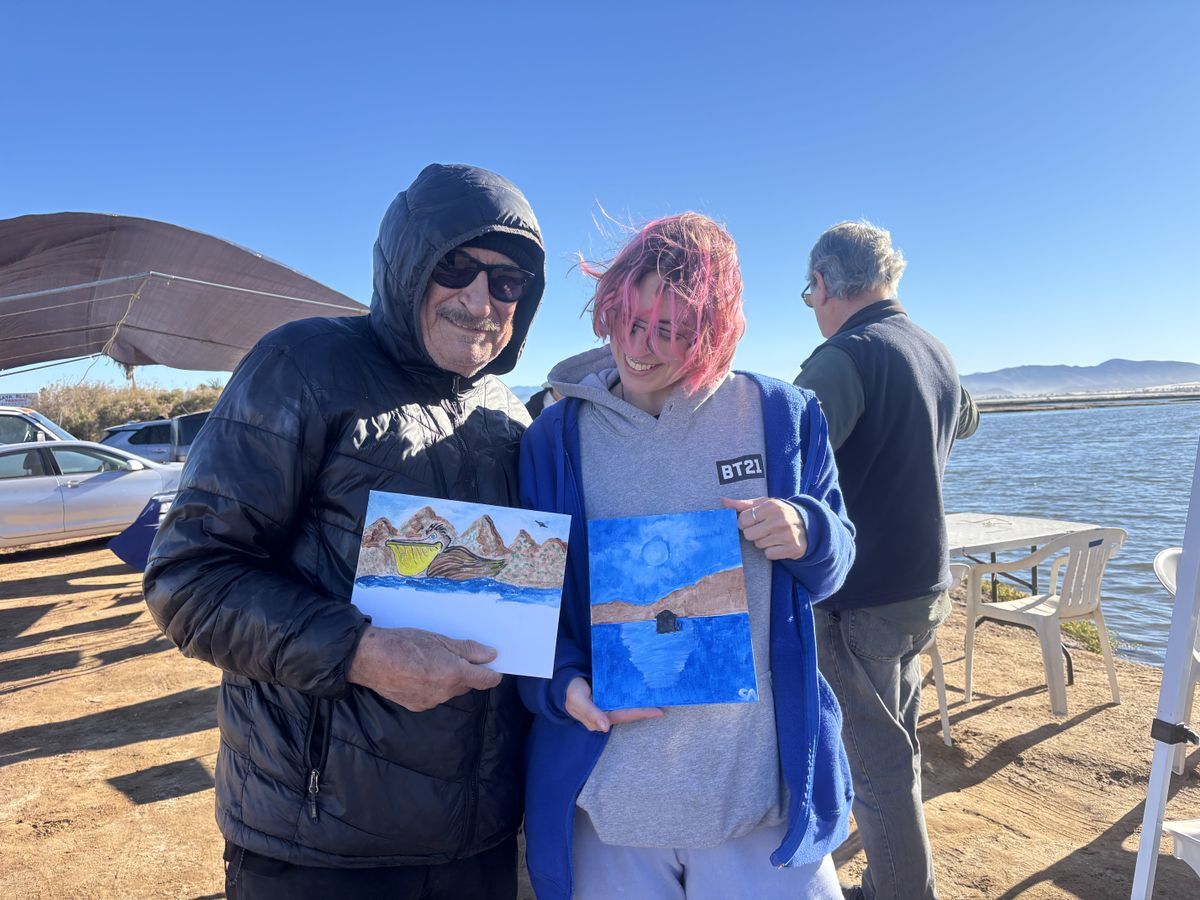
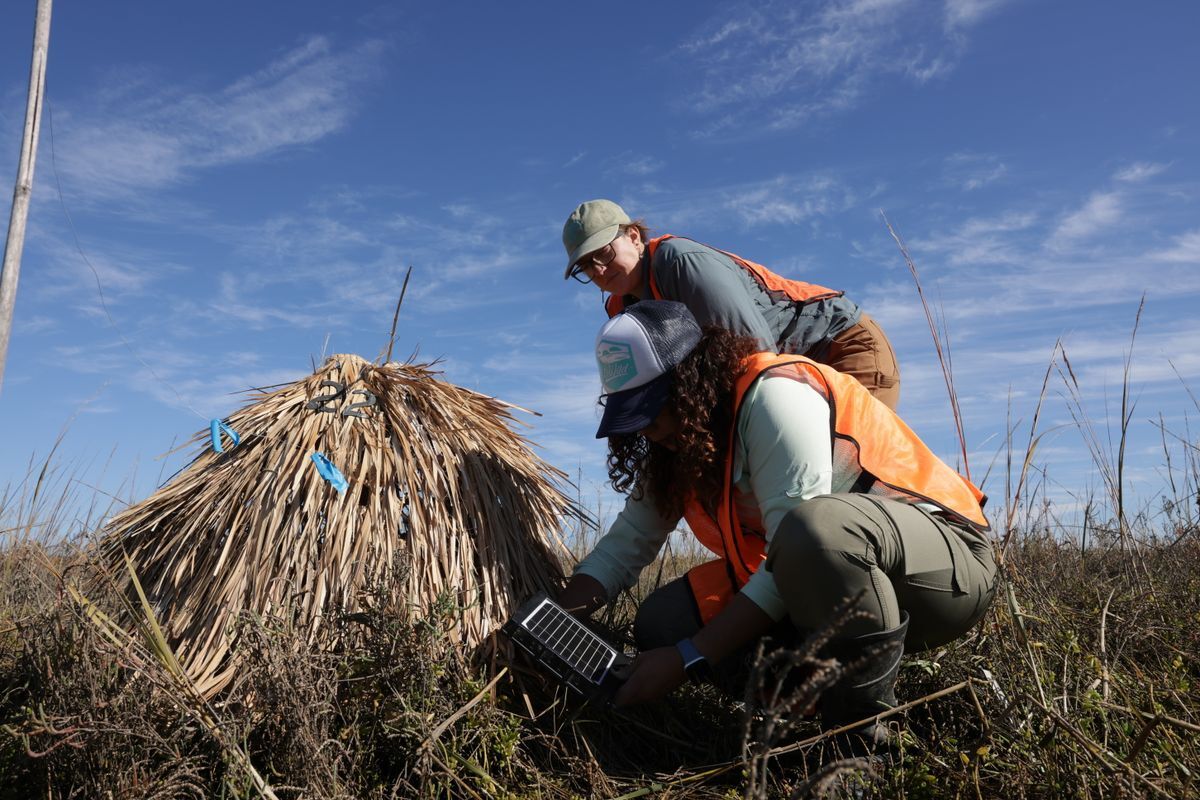
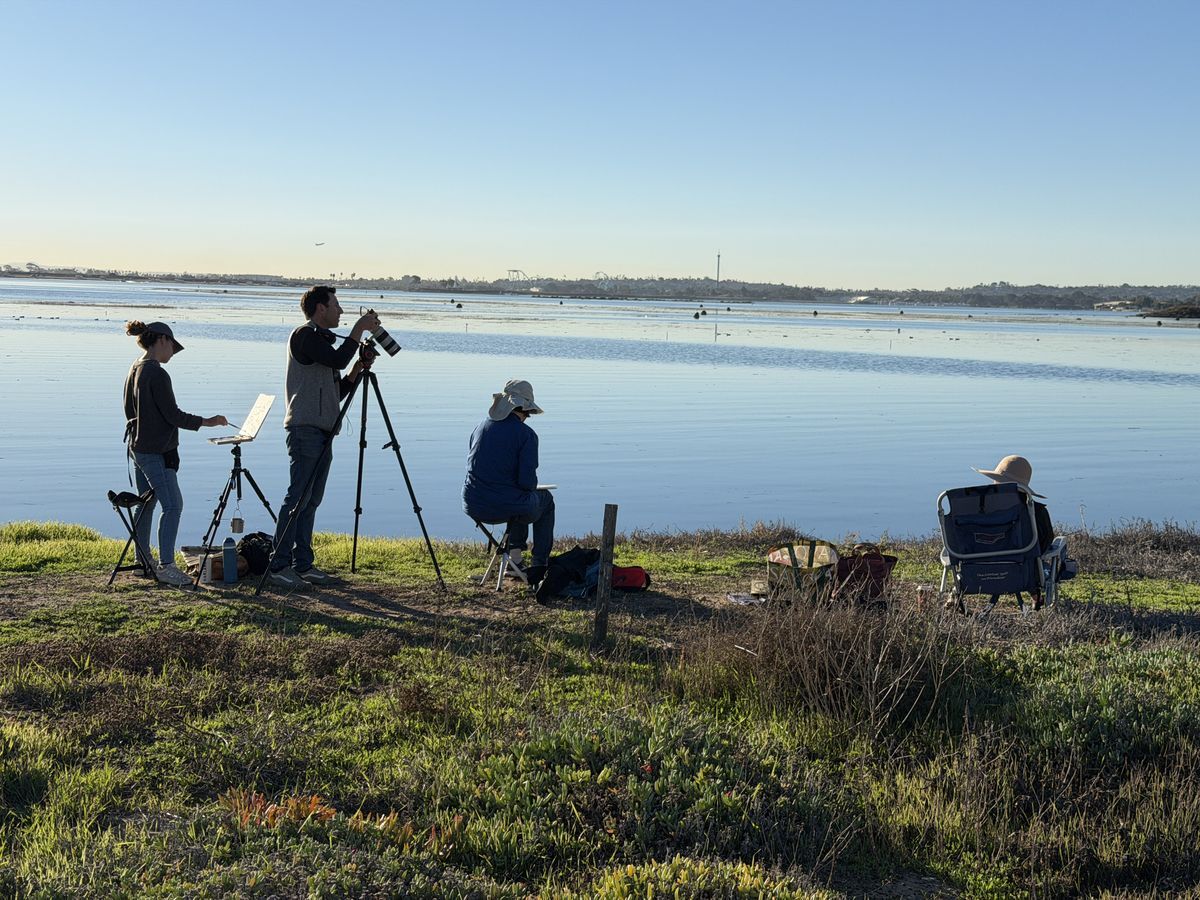
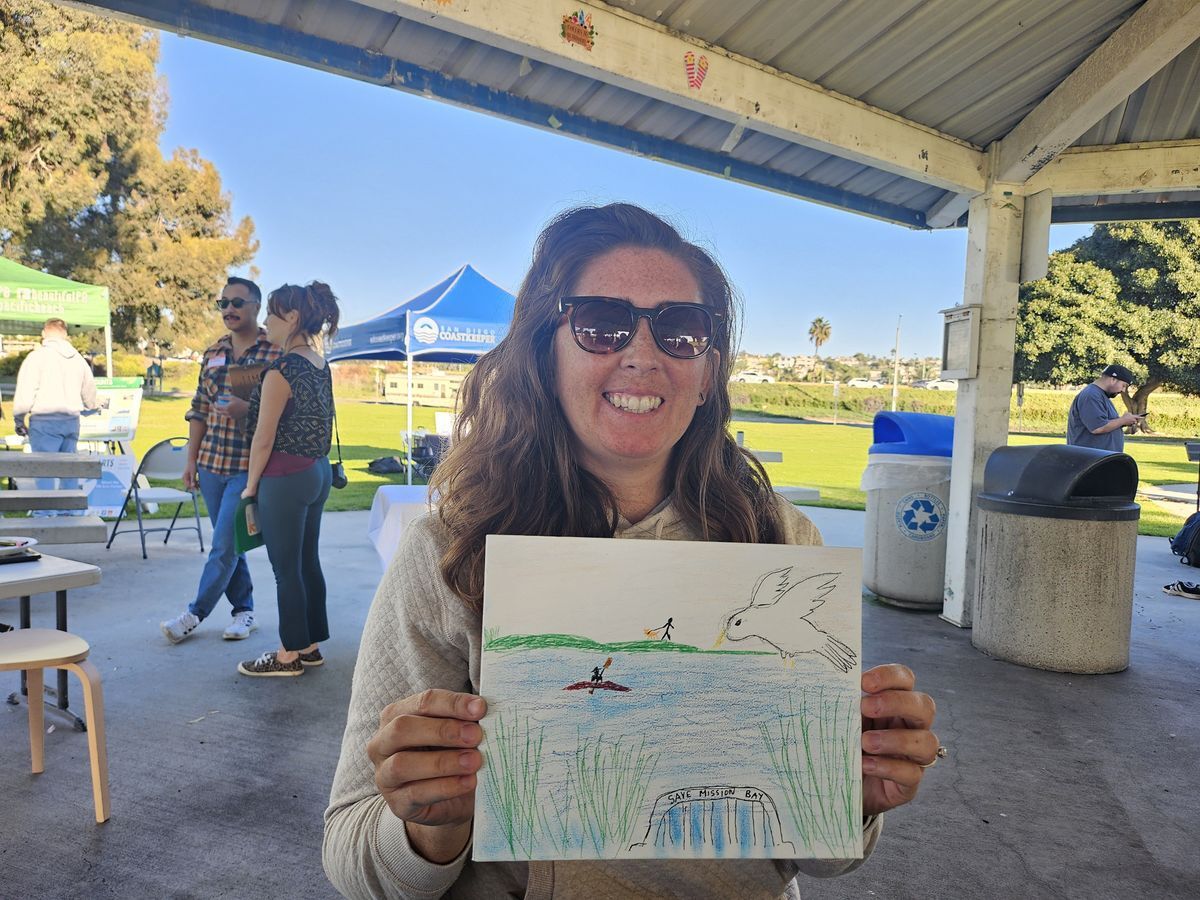
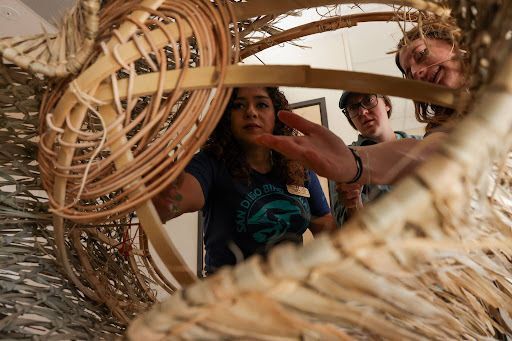
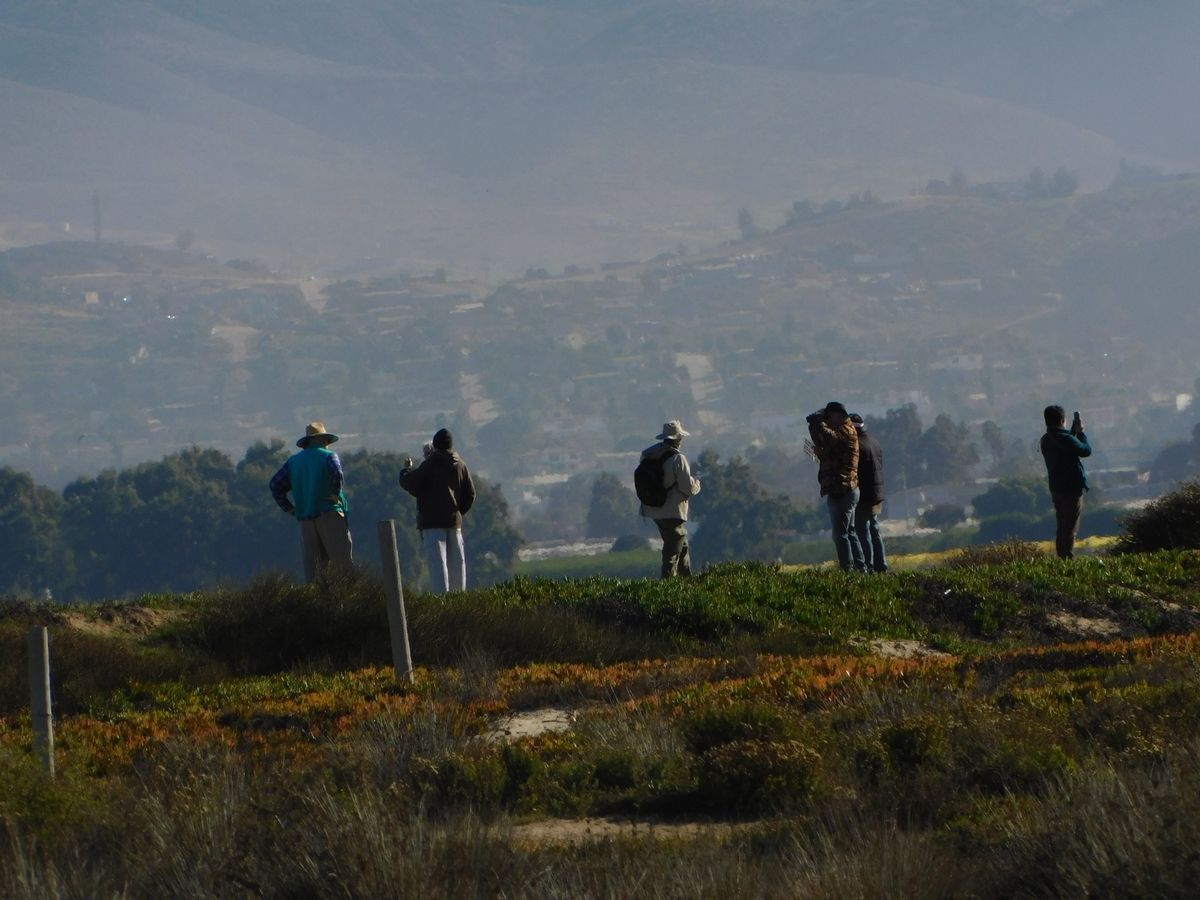
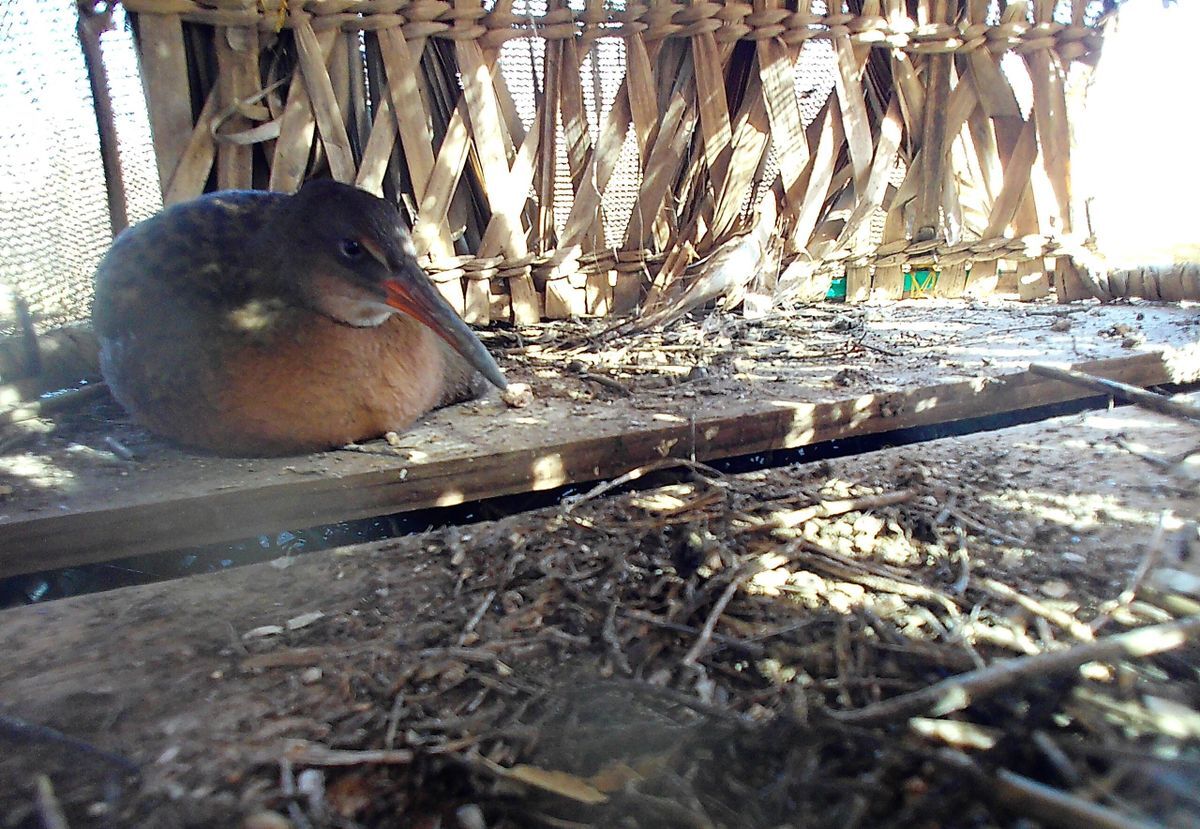
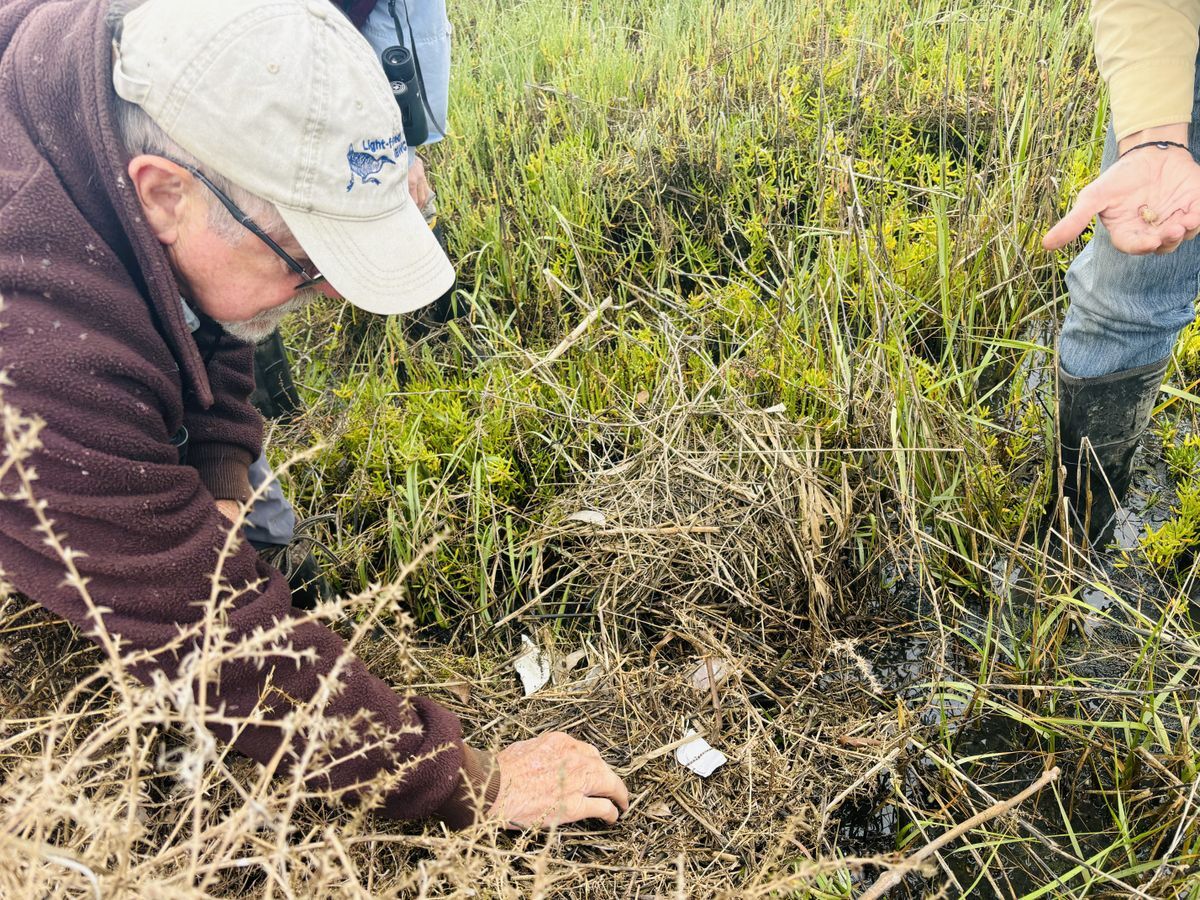
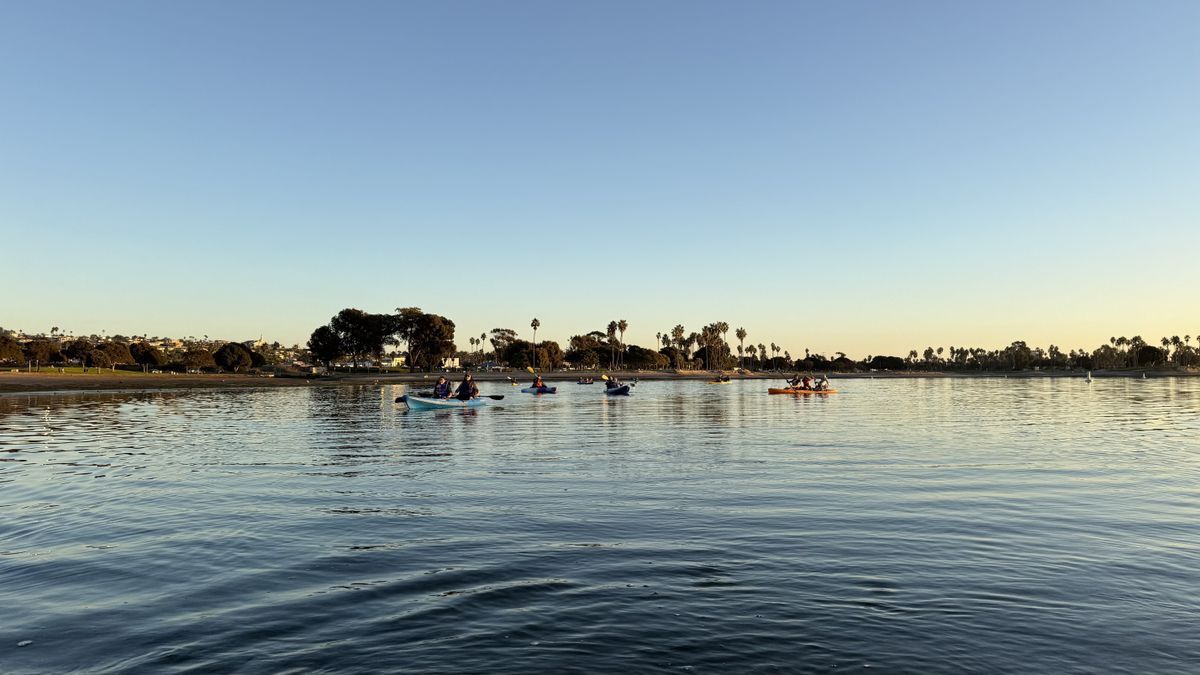
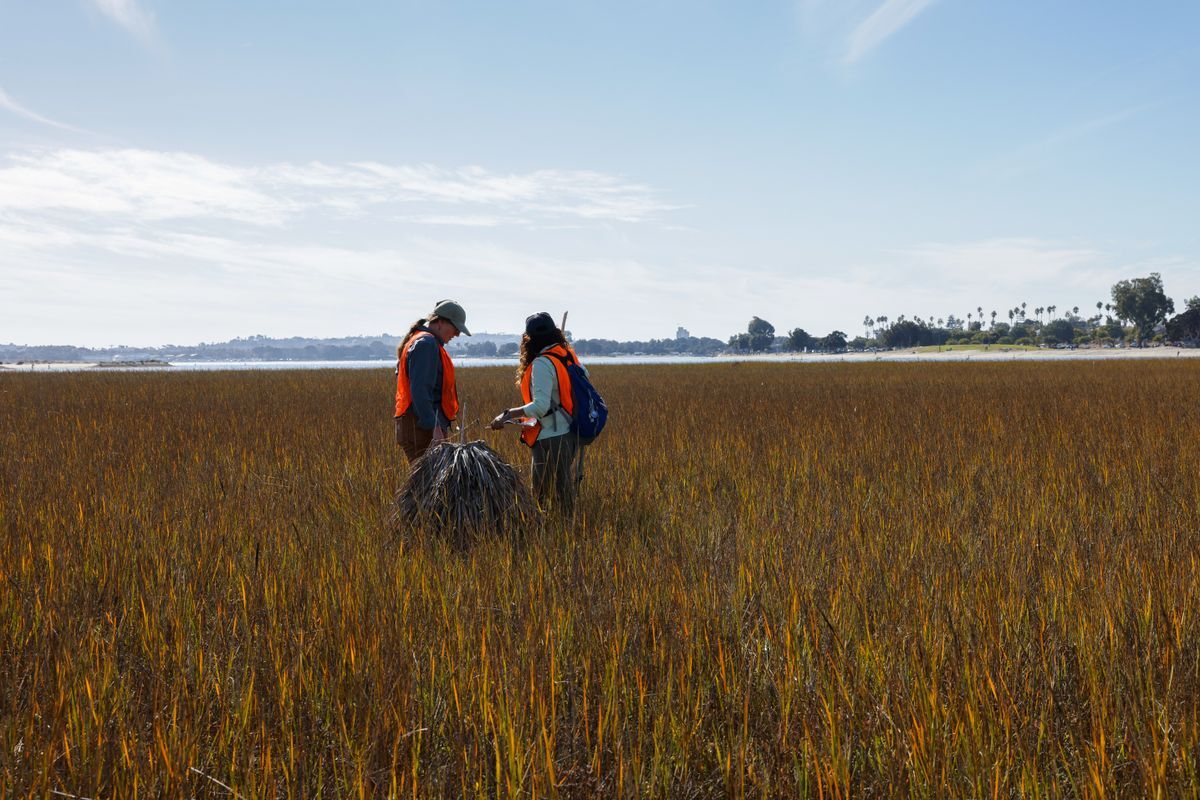
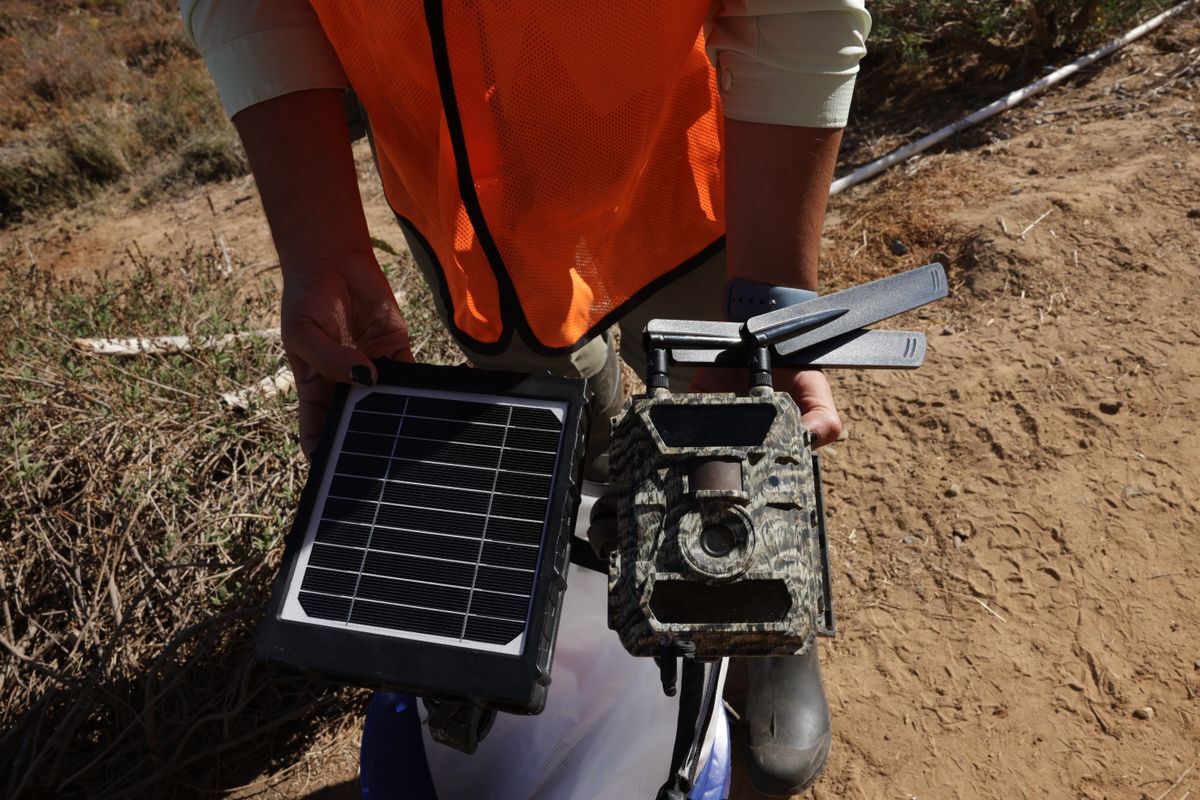
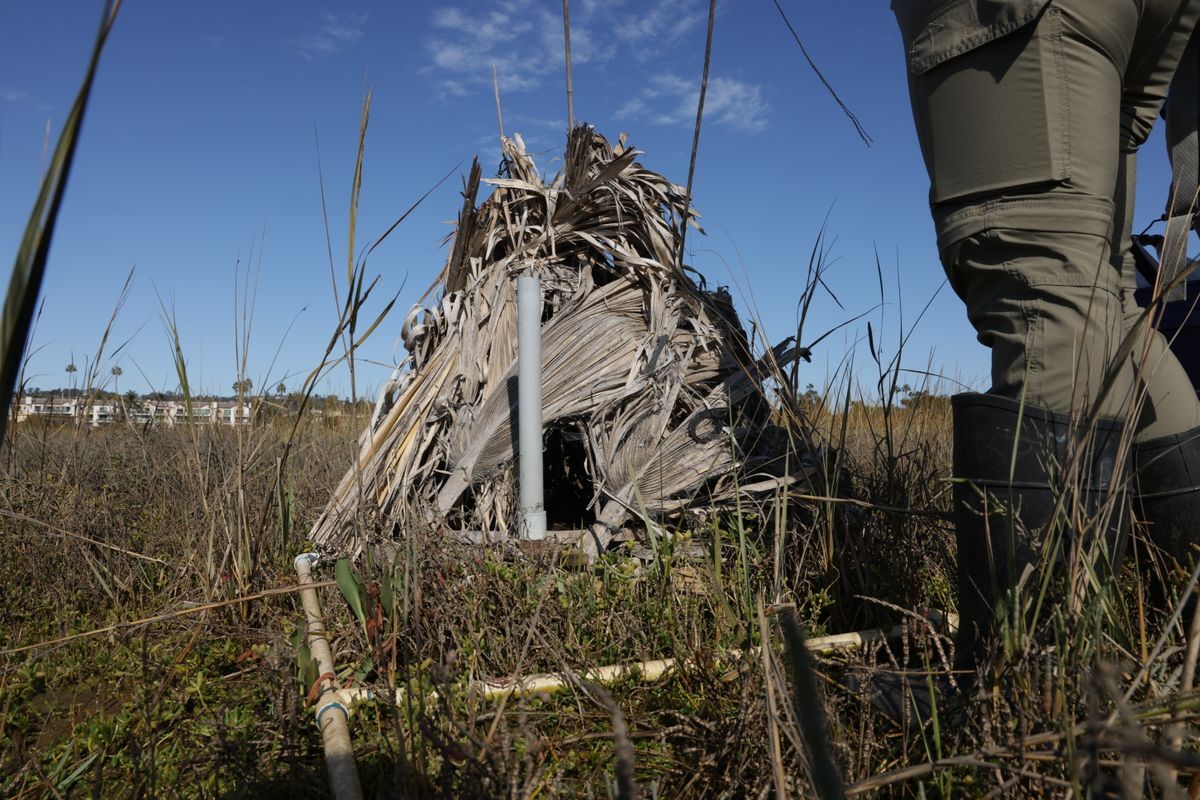
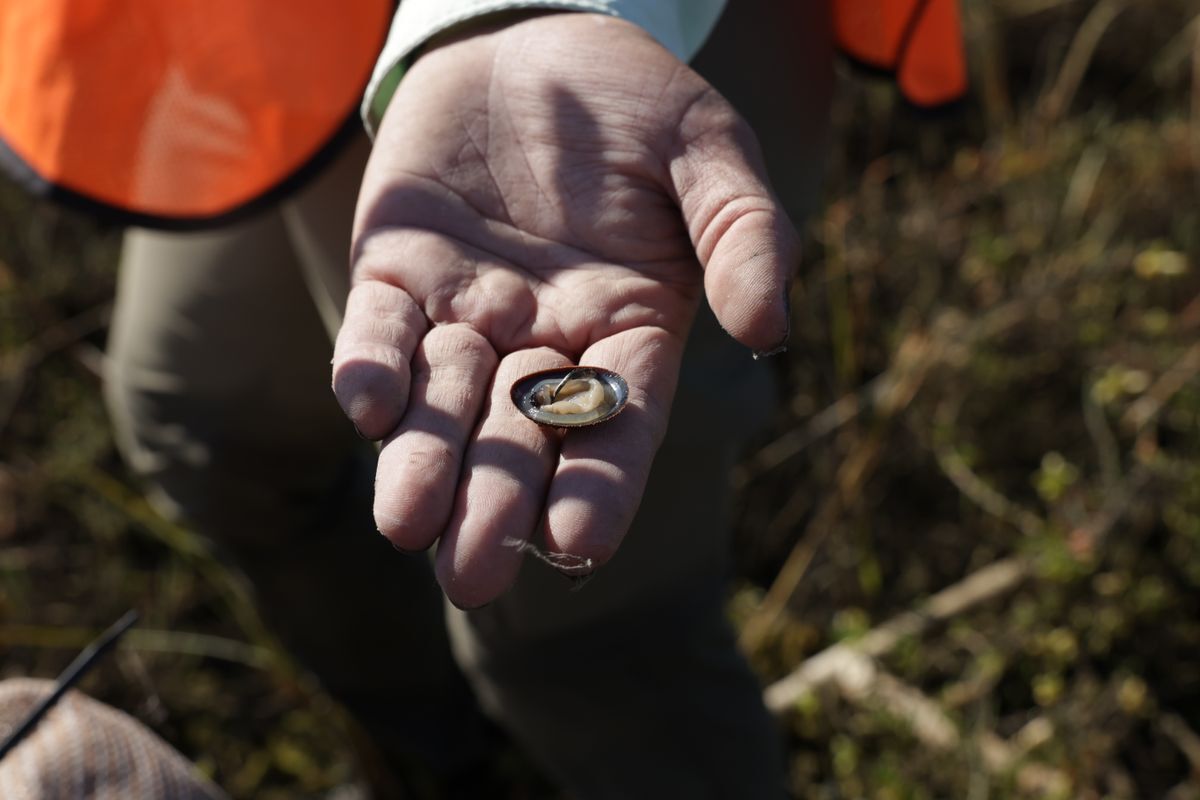
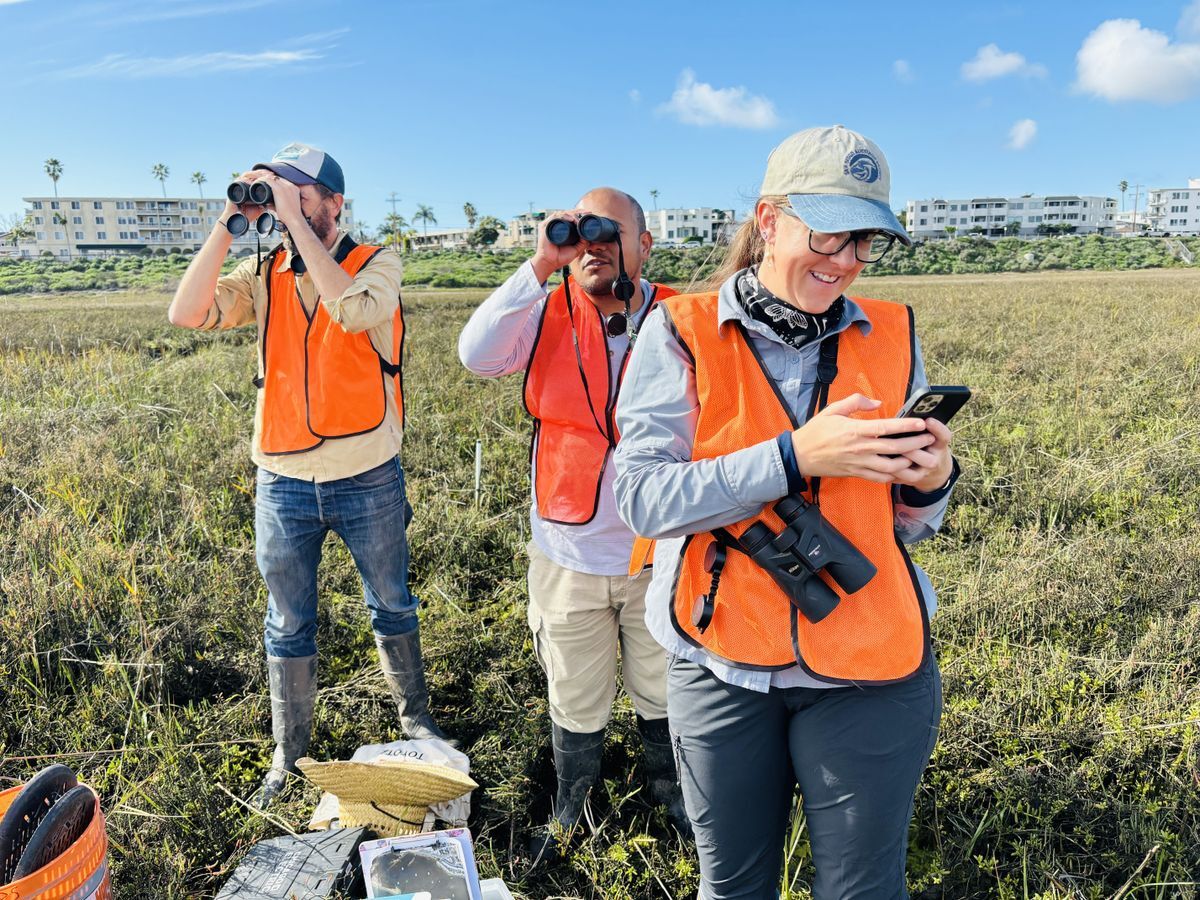
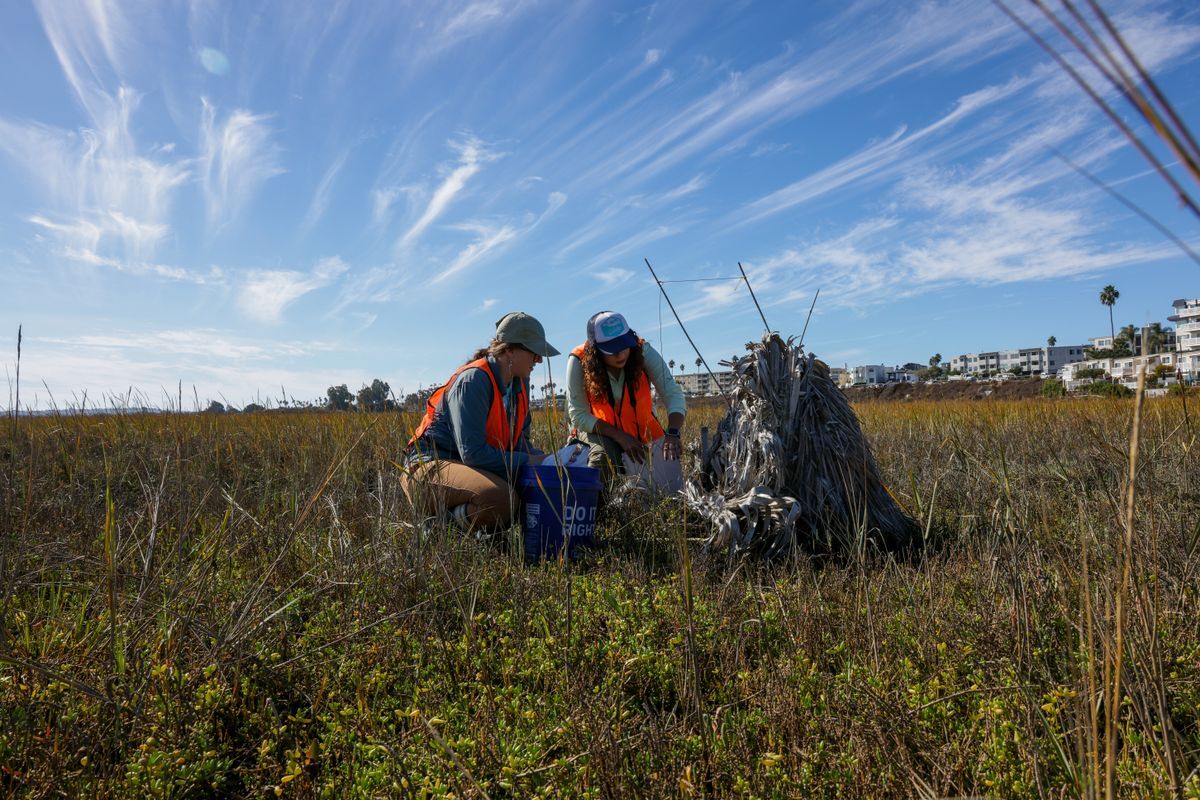
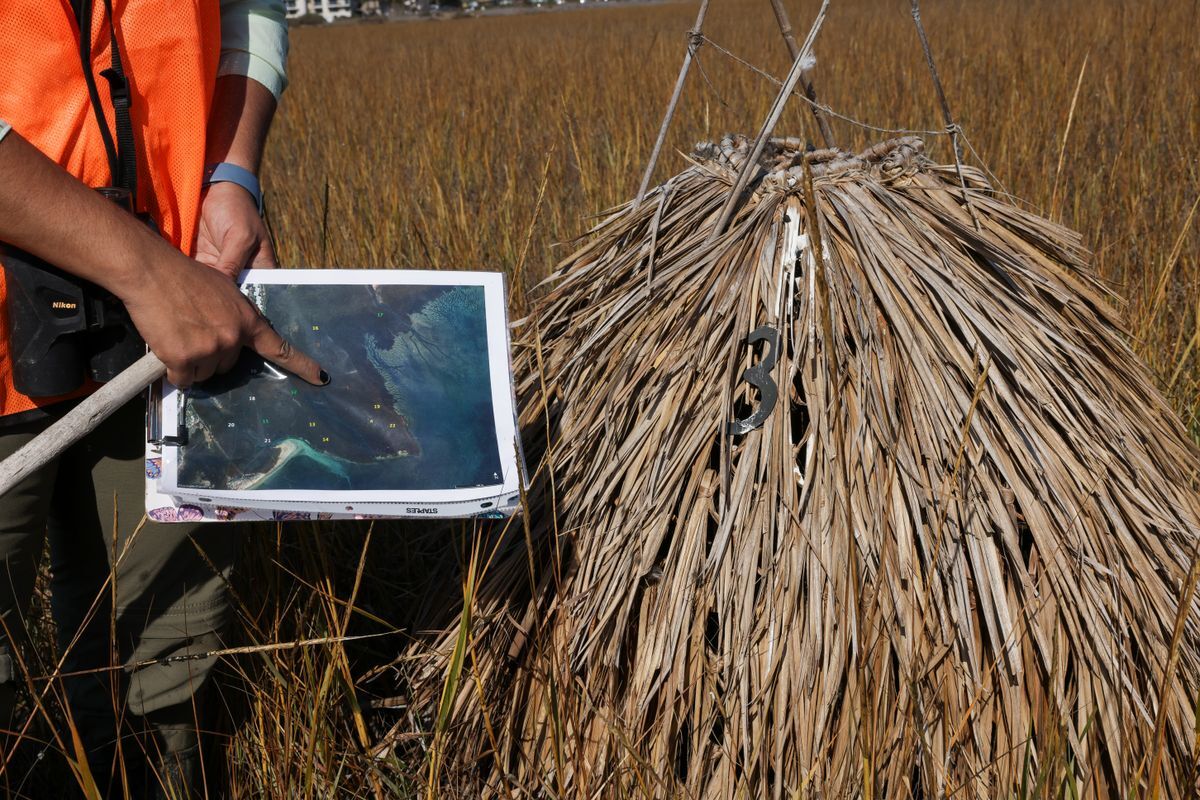
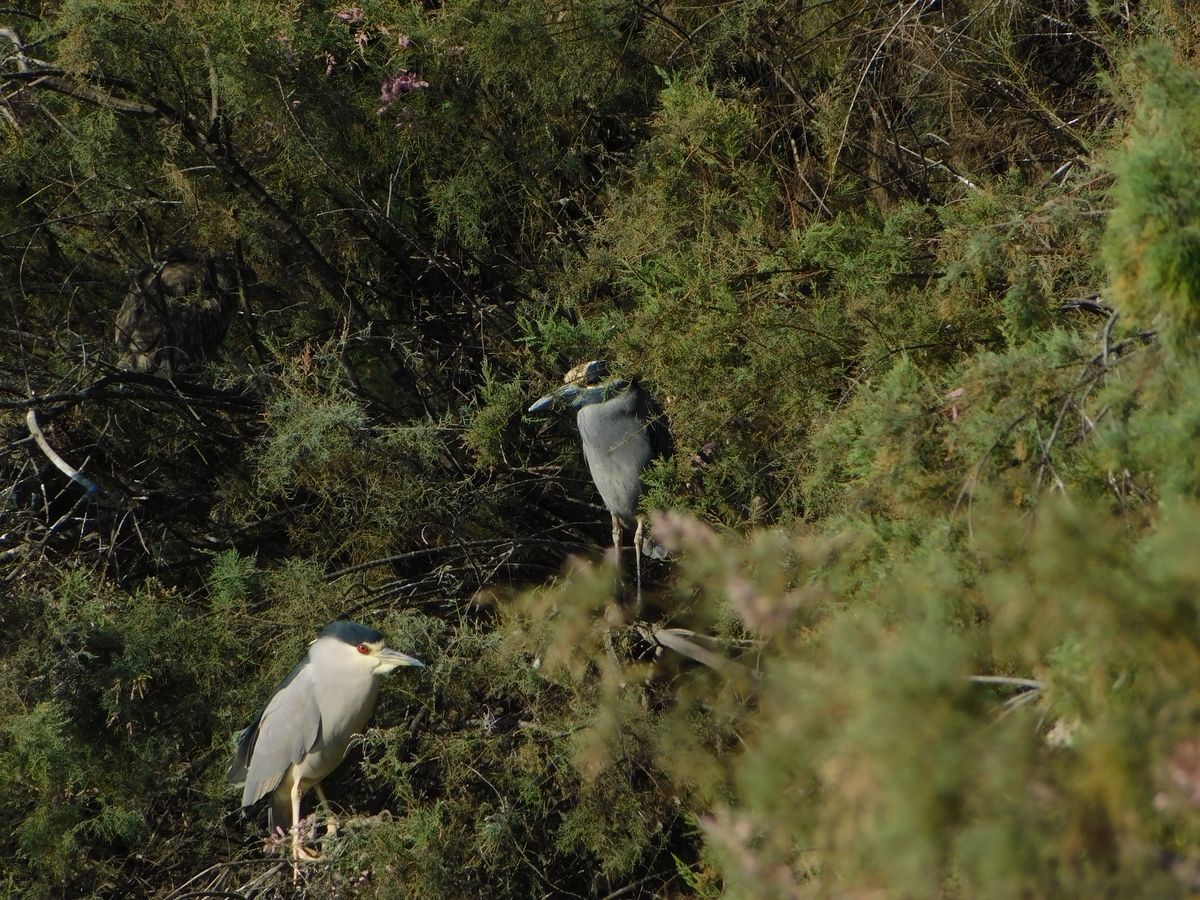
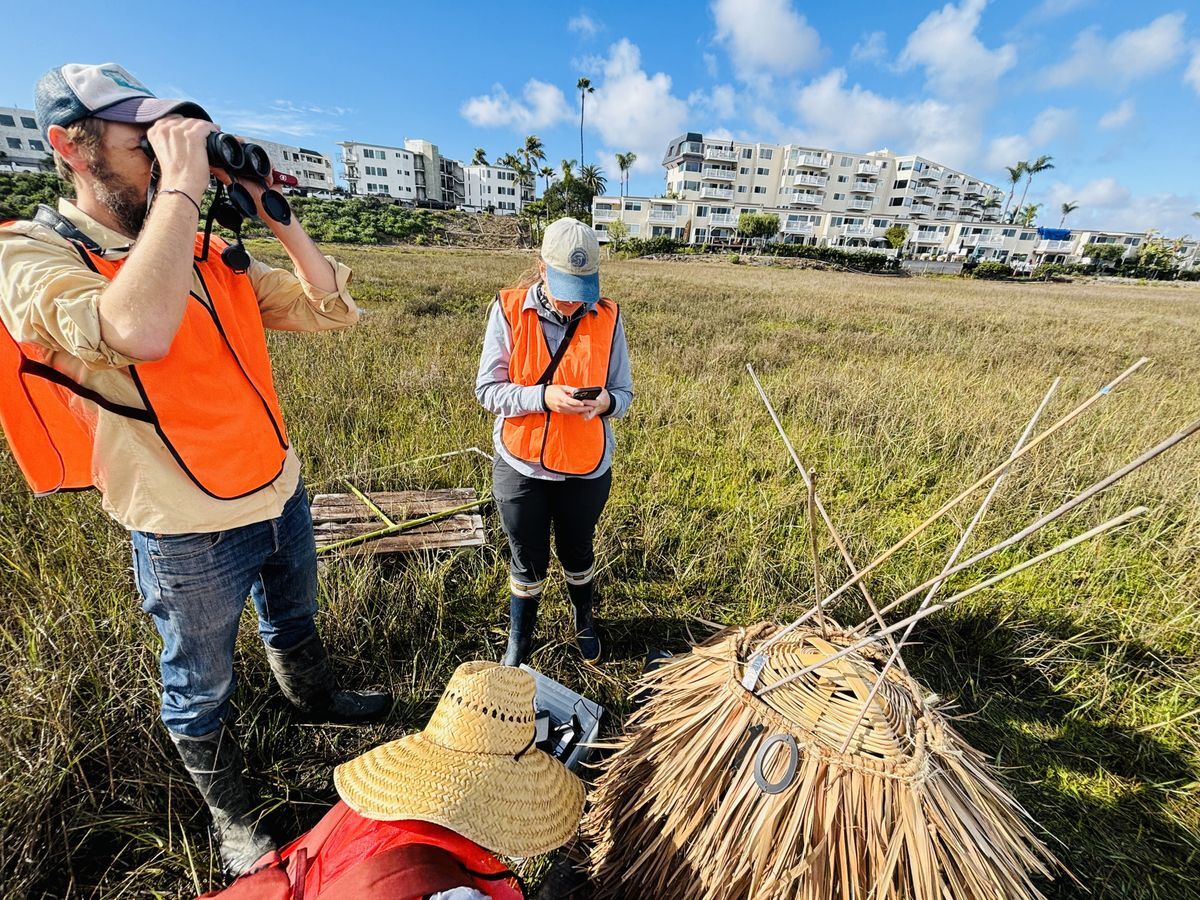
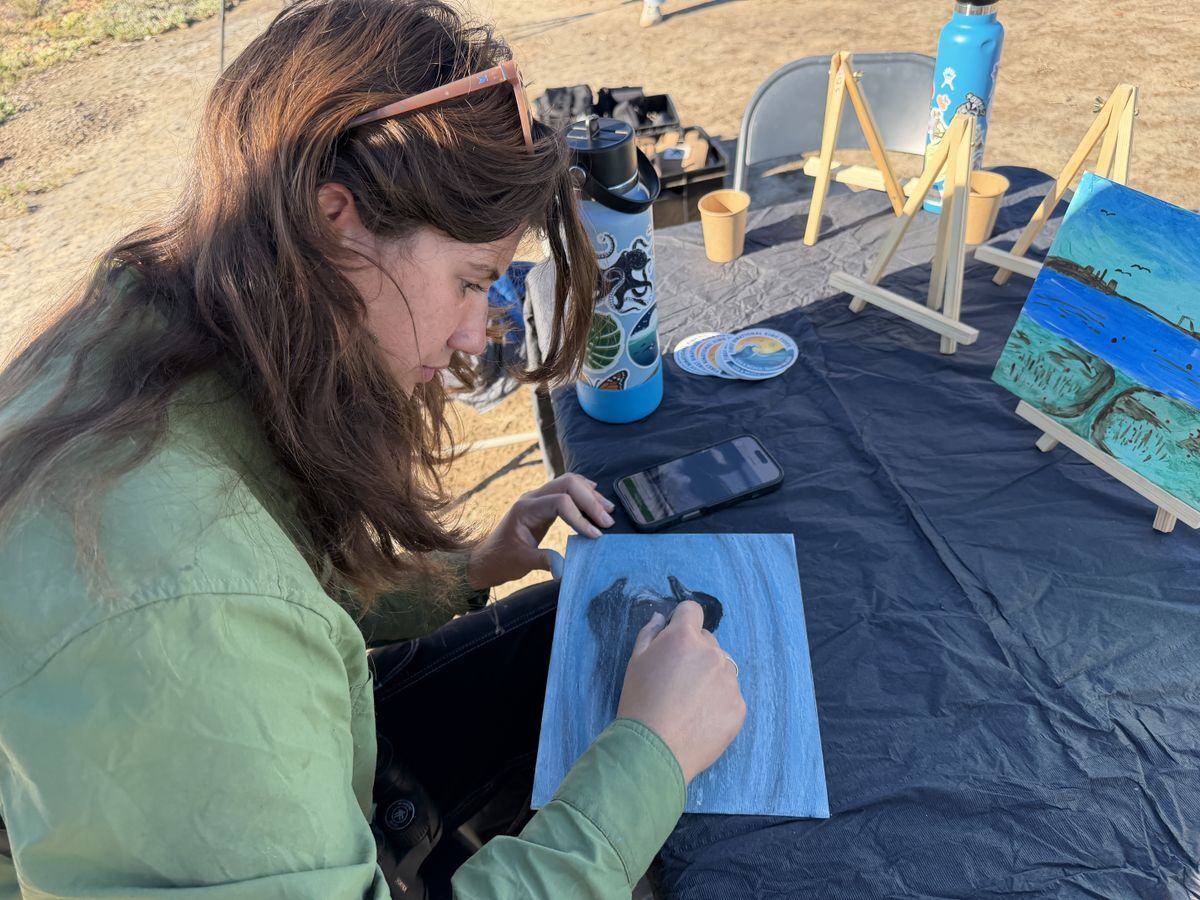
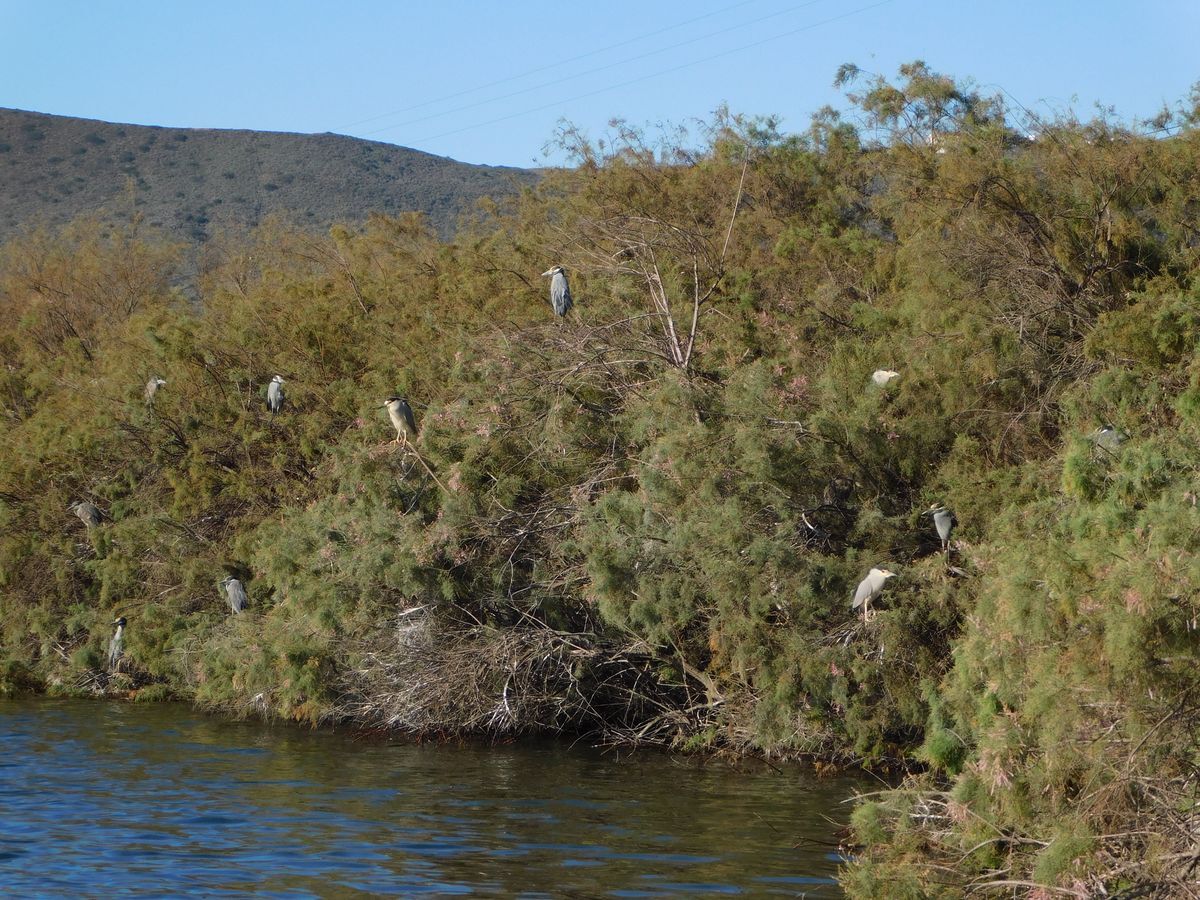
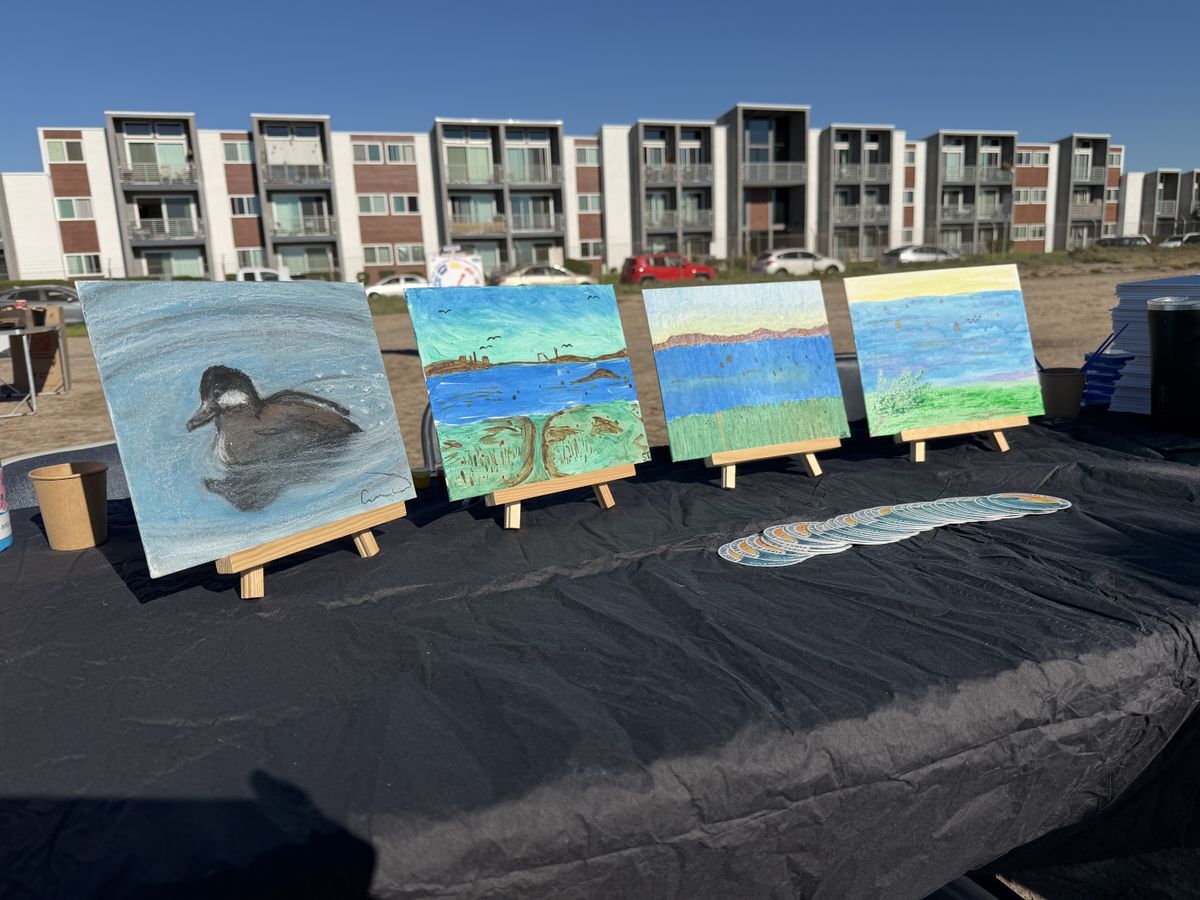
Field Photos By Christine Lin
ReWild Mission Bay
The Light-footed Ridgway's Rail depends on healthy coastal wetlands with dense vegetation, shallow water, plenty of invertebrates to eat, and refuge from high tides for nesting, feeding, and shelter. Unfortunately, more than 99% of Mission Bay's historic wetlands have been lost, leaving the approximately 40-acre Kendall-Frost Marsh as the last remaining tidal wetland in Mission Bay. Through the ReWild Mission Bay, San Diego Bird Alliance, and a coalition of more than 100 community partners are working to restore and reconnect wetlands in the northeast corner of Mission Bay. The project aims to restore this habitat to reconnect humans, improve water quality, increase climate resilience, and provide space for endangered species such as the Light-footed Ridgway's Rail to thrive.
Restoring tidal wetlands is critical for the recovery of Ridgway's rails. As sea levels rise and high tides increasingly inundate existing marsh habitat, additional wetland acreage and higher-elevation refuges will help provide the nesting and foraging areas these endangered birds need to survive. ReWild Mission Bay represents a long-term opportunity to expand habitat beyond the remnant wetlands that remain today and support the future recovery of Ridgway's Rails in Mission Bay.
For more information about wetland restoration efforts, visit https://rewildmissionbay.org/.
How can you help?
You can help the rails by learning about them and how to protect them. UC San Diego Natural Reserve System and San Diego Bird Alliance have been partnering for Wander the Wetlands, a program in which the reserve of Kendall-Frost Marsh is open on the second and fourth Saturdays of each month, with alternate activities on the second Saturday, from bird watching, fish seining, or rafts covering buildings, to community science collection like bioblitz, the fourth Saturdays are restoration events. You can learn more about the rails' habitat and learn why this wetland is important to this species.
Want to be more involved?
Sign up to get on the list to help us conduct Rails surveys around San Diego and collect data for the Annual survey reports.
